
12V Fuel Shut-Off Solenoids: Matching Yours by Part Number
A 12V fuel shut-off solenoid is matched to your engine by the number stamped on the solenoid body, not by tractor model alone. The same engine family can carry two or three different solenoid numbers across its production run, so the fastest and most reliable way to order the right one is to read the number off the old part and compare it directly against the listing.
Quick answer
- Read the part number stamped or printed on the solenoid body before ordering, not just the engine model tag.
- The same engine can use more than one solenoid number depending on serial range, pump type, or production year.
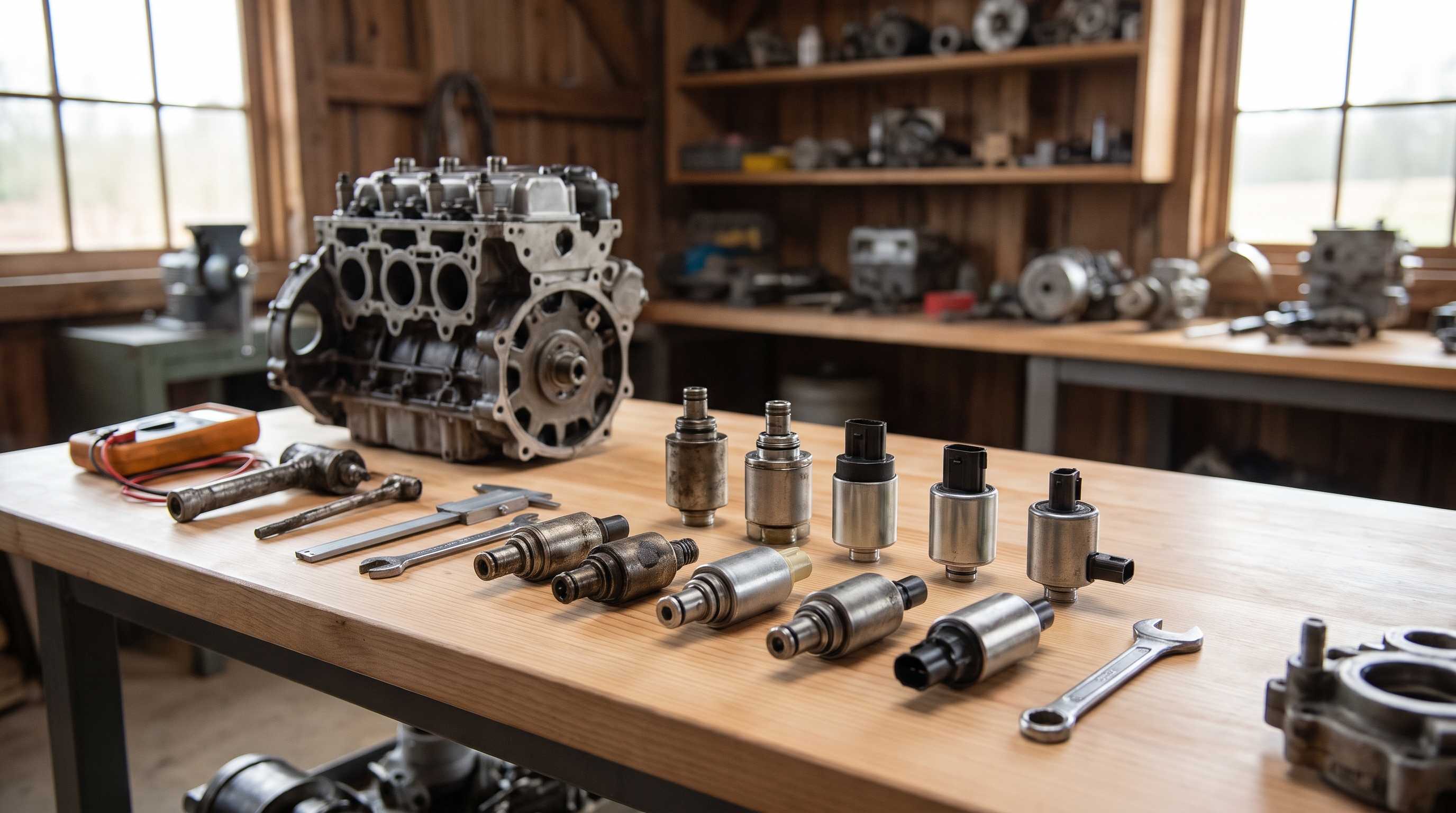
- Thread size, wire count, and connector style can differ between solenoids that look nearly identical from the outside.
- Confirm the complete engine model, serial number, and original part number before ordering, then compare it against the listing.
What a fuel shut-off solenoid does
A fuel shut-off solenoid mounts to the injection pump housing or fuel system and uses a plunger to open or close fuel flow when the key is turned on or off. With power applied, the coil pulls the plunger back and lets fuel reach the injection pump; when power is cut, the plunger returns and blocks fuel so the engine shuts down. A solenoid that hums without pulling in, clicks but doesn't hold, or leaves the engine hard to shut off can point to a weak coil, a sticking plunger, or a wiring or ground issue. Any of those is worth checking with a multimeter before assuming the solenoid itself has failed.
Matching a fuel shut-off solenoid by part number
Fitment inside a given engine family can still change at a serial number break, so treat the number on your old solenoid as the deciding factor, not the engine name by itself.
Numbering can differ across similar-looking fuel shut-off solenoids built for different applications, even when the outside dimensions look close. If the number on your old solenoid matches, compare it with this fuel shut-off solenoid before ordering.
A solenoid's thread size, wire count, and mounting style can vary within what otherwise looks like the same family. Check the stamped number on your old part, then compare it with this fuel shut-off solenoid.
Some solenoids share a similar outward appearance but carry different internal specifications. Confirm the full number on your old solenoid before comparing it against this 12V solenoid.
A worn or partly illegible number on the old part can make a visual match unreliable. If the stamped number lines up, this solenoid is the one to compare against the old part.
Connector style and wire count can differ between solenoids that otherwise appear interchangeable. Pull the number off your old unit and compare it directly with this fuel shut-off solenoid before ordering.
Plunger length and thread pitch are two more details worth checking against listing photos when the stamped number is hard to read. Compare the number on your old part with this solenoid before ordering.
Frequently asked questions
Will this fit my tractor or model?
Model alone isn't enough to confirm a match, since several engines in the same family can carry different solenoid numbers across their production run. Read the number stamped on your old solenoid, note the complete engine model and serial number, and compare those against the listing before ordering.
Is this the same as OEM number [part number]?
Solenoid listings are cross-referenced to specific OEM numbers, and a listing can cover more than one superseded number for the same part. Check the full number against your old solenoid rather than matching by name or appearance alone, since housings from different families can look similar.
My old part looks different — will this still fit?
A visual difference doesn't rule a part in or out by itself. Wire count, connector style, thread size, and plunger length can all vary between solenoids that otherwise look close. The stamped number on the old part is the detail to go by, along with the engine serial number if the number is partly worn away.
Which version do I need?
When an engine family has more than one solenoid version, the difference usually comes down to a serial number break, a pump change, or a connector style change partway through production. Confirm your engine's serial number along with the number stamped on the old solenoid before choosing between versions.
What to check before ordering
- Read the complete number stamped or printed on the solenoid body, since worn labels can hide part of it.
- Note the complete engine model and serial number from the tag, since one engine family can span more than one solenoid number.
- Check the connector style and wire count — a two-wire and a single-wire solenoid aren't interchangeable even when the thread size matches.
- Measure the thread size and overall length against listing photos if the old number is unreadable.
- Compare the original part number on the old solenoid directly against the listing before ordering.