
Perkins Engine Identification Guide: Match the Engine to the Right Overhaul Kit
Before ordering any Perkins rebuild parts, identify the exact engine model first. The tractor model, the loader it came in, or an old invoice can all point the wrong way. The engine data plate is the source of truth, and once you have the correct model, matching it to the right overhaul kit becomes straightforward.
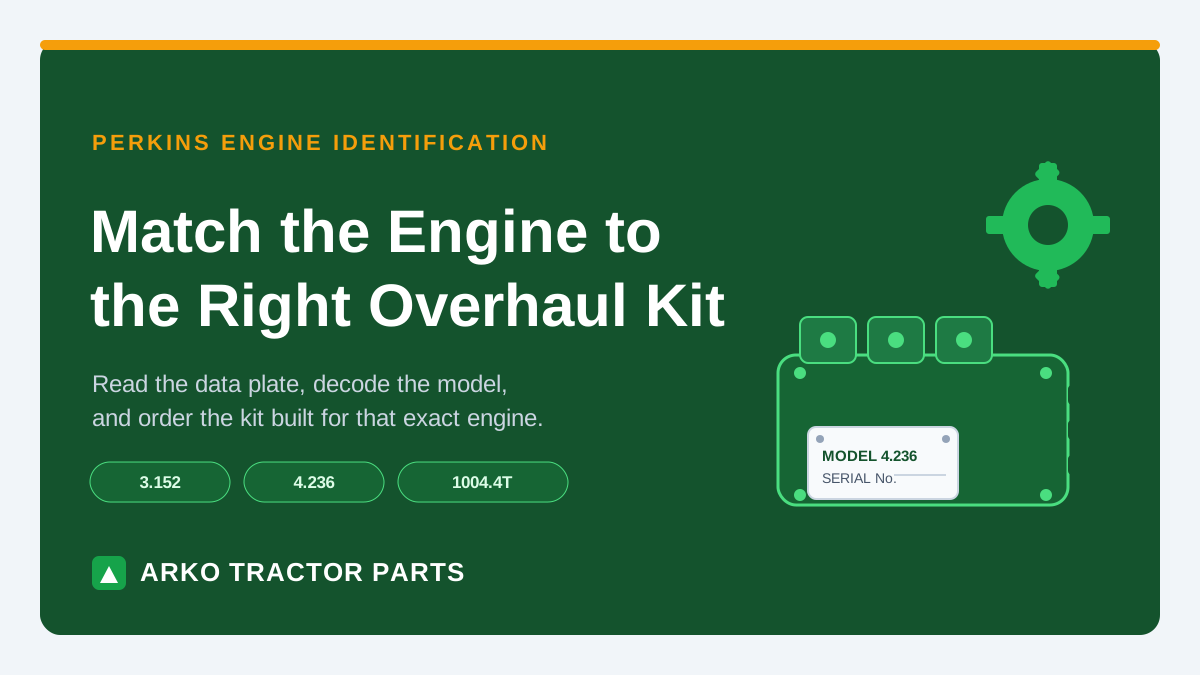
This guide covers how to read the Perkins model, what the numbers mean, and which Arko kit fits each common engine. If you only need the plate-reading basics, start with Arko's guide to identifying your Perkins engine before ordering an overhaul kit, then come back here to match the engine to parts.
Quick Answer: How Do You Identify a Perkins Engine?
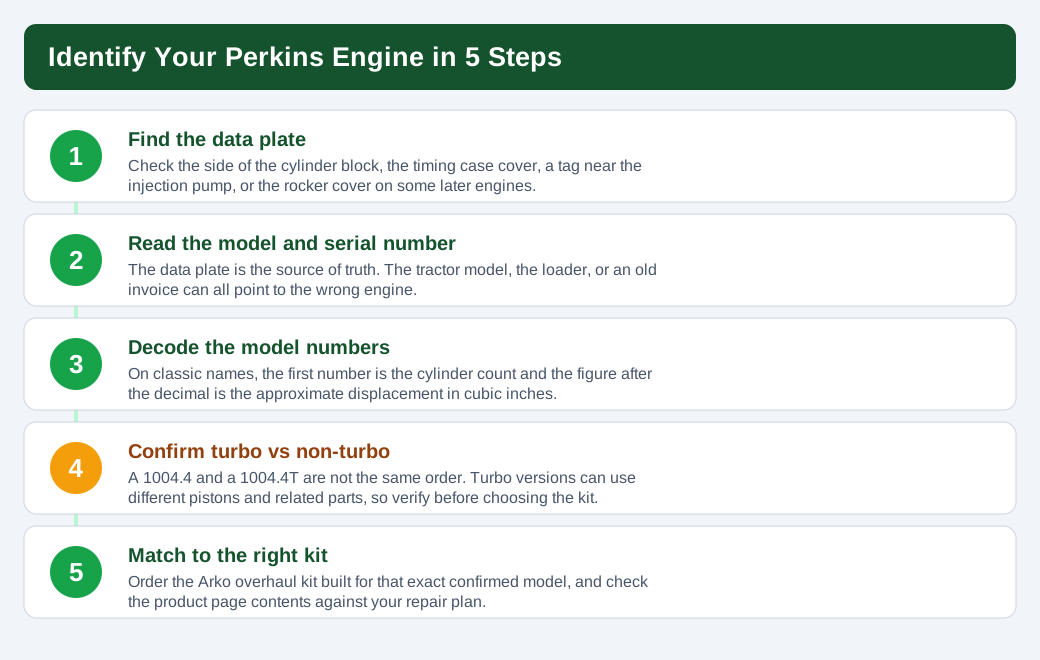
Find the engine data plate (usually on the block, timing case, or rocker cover) and read the engine model and serial number. Match that exact model to the overhaul kit built for it. Do not order from the tractor model alone, because the same tractor could have shipped with more than one engine over its production life.
Browse the full Perkins collection once you have confirmed the model.
Where to Find the Perkins Data Plate
The plate location varies by engine family, but common spots include:
- The side of the cylinder block
- The timing case cover
- A tag riveted near the injection pump
- The rocker cover on some later engines
If the plate is missing or unreadable, a Perkins dealer or engine specialist can often decode the engine number stamped directly into the block.
What the Perkins Model Numbers Mean
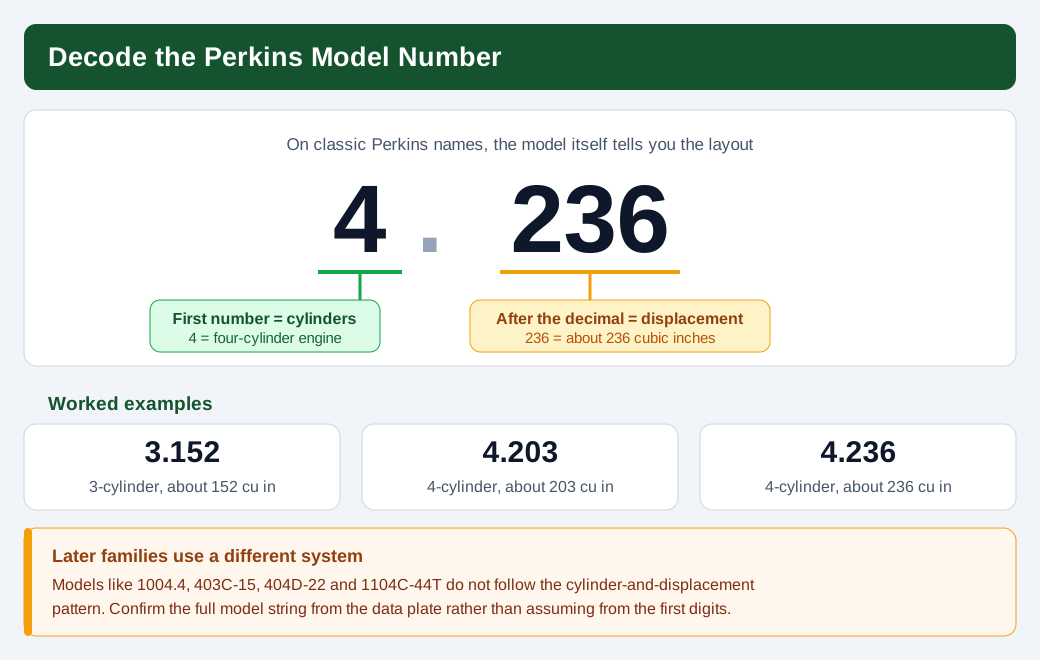
Older Perkins names are practical once you know the pattern. The first number is the cylinder count, and the number after the decimal is the approximate cubic-inch displacement.
- 3.152 is a three-cylinder engine of about 152 cubic inches
- 4.203 is a four-cylinder engine of about 203 cubic inches
- 4.236 is a four-cylinder engine of about 236 cubic inches
Later Perkins families (1004.4, 403C-15, 404D-22, 1104C-44T) use a different naming system, so confirm the full model string rather than assuming from the first digits.
Match the Engine to the Right Kit
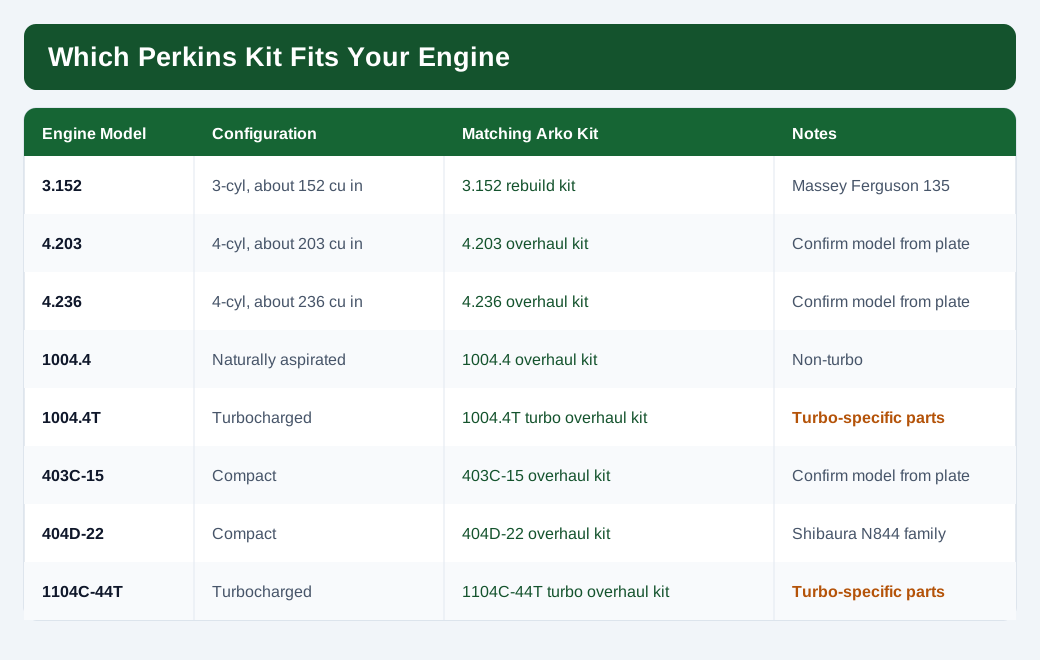
Once the model is confirmed, order the kit built for that engine:
- Perkins 3.152 rebuild kit for the three-cylinder 3.152, common in Massey Ferguson 135 applications
- Perkins 4.203 overhaul kit for the four-cylinder 4.203
- Perkins 4.236 overhaul kit for the four-cylinder 4.236
- Perkins 1004.4 overhaul kit for the naturally aspirated 1004.4
- Perkins 1004.4T turbo overhaul kit for the turbocharged 1004.4T
- Perkins 403C-15 overhaul kit for the compact 403C-15
- Perkins 404D-22 overhaul kit for the 404D-22 (Shibaura N844 family)
- Perkins 1104C-44T turbo overhaul kit for the turbocharged 1104C-44T
Turbo vs Non-Turbo: A Common Ordering Mistake
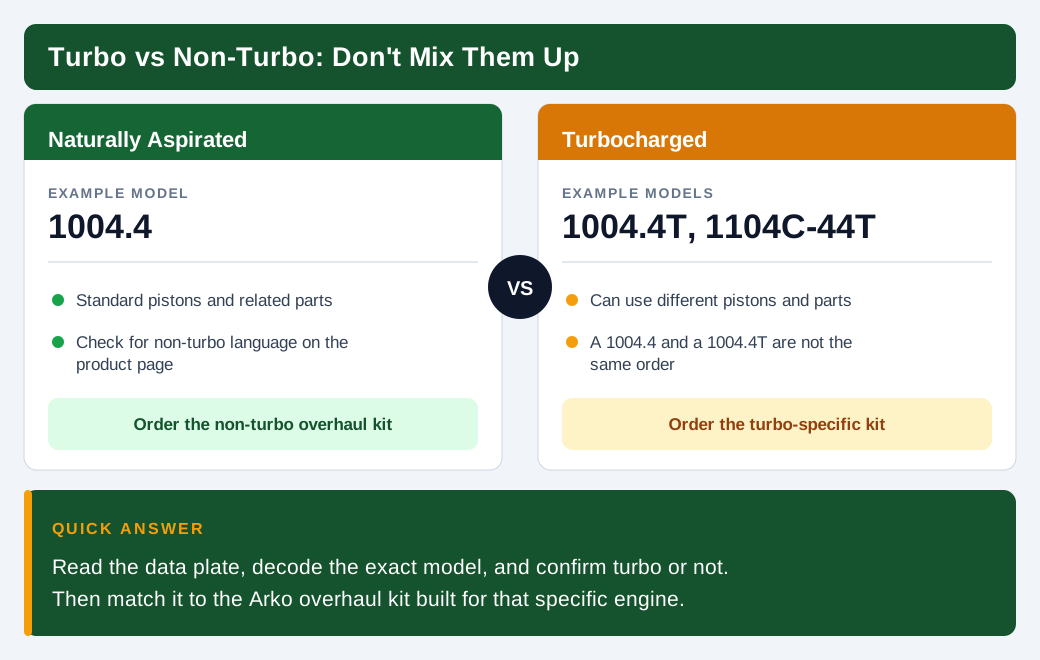
Turbocharged and naturally aspirated versions of the same engine family can use different pistons and related parts. A 1004.4 and a 1004.4T are not the same order. Confirm whether the engine is turbocharged before choosing the kit, and check the product page for turbo or non-turbo language.
What Else to Confirm Before Ordering
- The full engine model and serial number from the plate
- Whether the engine was swapped in the past
- Bore condition after teardown, if the engine is already apart
- Crankshaft condition before making bearing decisions
- Whether the kit contents match your repair plan on the product page
Where to Buy the Correct Perkins Kit
Confirm the engine model, then open the matching product page above, or browse the full Perkins collection to compare related parts. If you are unsure of the model, confirm the plate before ordering.
FAQ
How do I identify my Perkins engine?
Read the engine model and serial number from the data plate on the block, timing case, or rocker cover. Match that exact model to the correct parts rather than ordering from the tractor model.
Can I order a kit based on my tractor model?
Use the tractor model as a clue, but confirm the engine model from the plate. The same tractor may have used more than one engine.
Are turbo and non-turbo kits interchangeable?
Not necessarily. Turbocharged versions can use different pistons and parts. Confirm whether the engine is turbocharged before ordering.
Where can I buy Perkins overhaul kits?
Arko's Shopify store carries kits for common Perkins families in the Perkins collection. Open the product page that matches your confirmed engine model.