
Fuel Filters and Water Separators: Matching the Right Element Before Winter
A fuel filter element strains dirt, rust, and other debris out of diesel before it reaches the lift pump and injection pump. A fuel water separator works alongside it, giving water a place to settle out of the fuel stream so it can be drained off instead of pulled into the system. Checking both before cold weather sets in matters because condensation inside a tank that sits partially full overnight tends to increase as temperatures drop. Confirm the complete engine model, serial number, and original part number stamped on the old filter or separator housing before ordering a replacement, since housings and thread sizes are not the same across every tractor that looks alike.
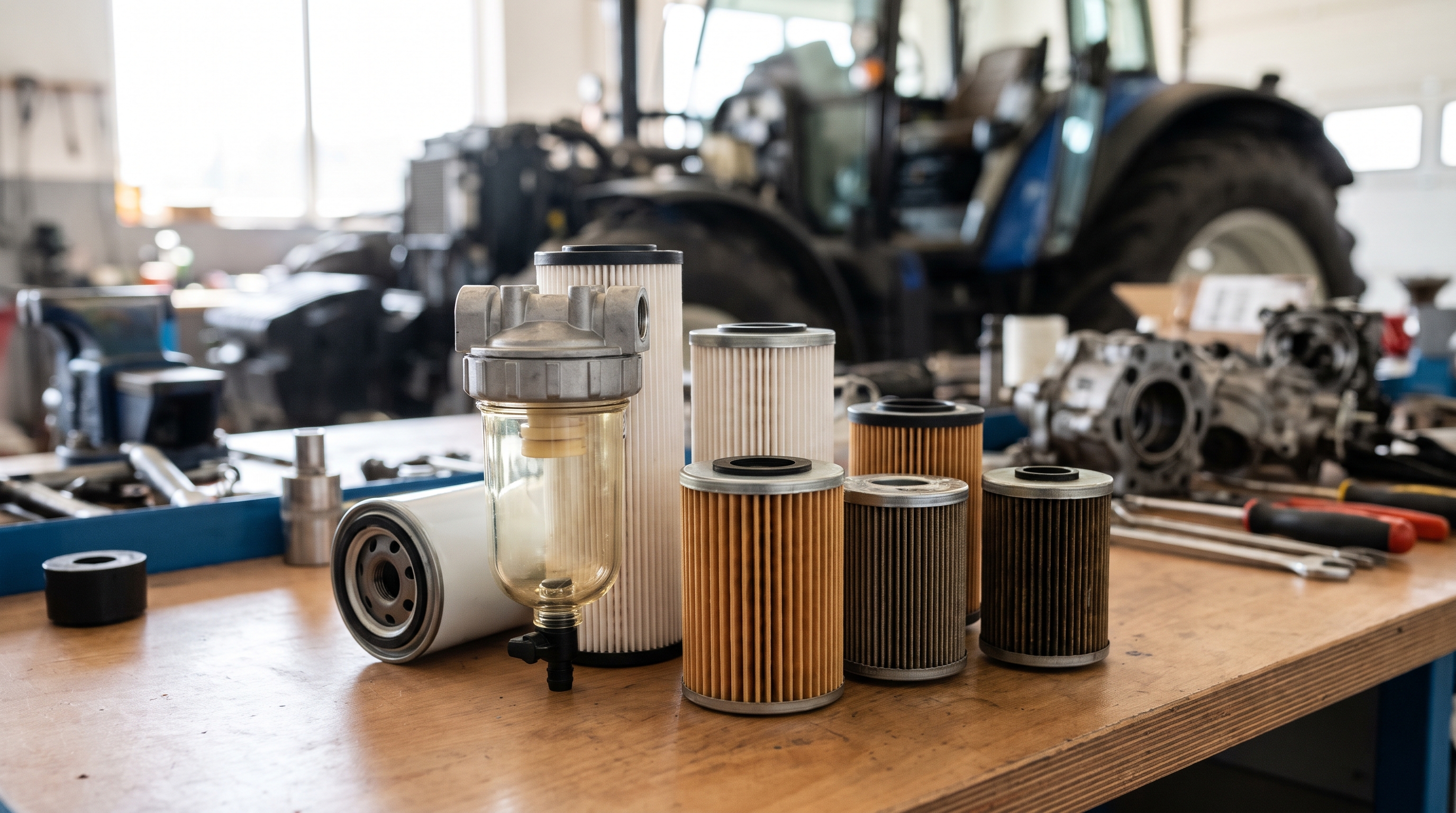
Quick answer
- A fuel filter element strains particulate out of diesel; a fuel water separator collects free water in a bowl or canister so it can be drained.
- Cold overnight temperatures increase condensation inside a tank that is not kept full, which adds water to the fuel.
- Match any replacement by the number stamped on the old filter or separator, not by the name on the hood.
- Some machines use a combination filter/separator in one housing; others use two separate parts — check which setup is currently installed.
- Confirm the complete engine model, serial number, and original part number before ordering.
Why fuel filters and water separators matter before winter
Diesel fuel picks up a small amount of moisture from the air inside the tank over time. In warmer months that water mostly stays suspended in the fuel and passes through with little notice. As temperatures drop, the same water condenses out faster and settles toward the bottom of the tank, right where the fuel pickup draws from. A water separator bowl lets water collect where it can be seen and drained off at the petcock. A filter element that has loaded up with debris or water restricts flow before fuel ever reaches the lift pump, and that can show up as hard starting, reduced power under load, or stalling at idle.
Compare the markings on your separator bowl or canister with this fuel water separator before ordering, since bowl size and mounting thread are not the same across every setup.
Some fuel systems combine the lift pump and water separator into a single assembly rather than two separate parts. If your machine uses that style, check the stamped number on the housing against this lift pump and separator kit and confirm the repair kit contents match what you need.
How to tell which filter element you need
Filter housings can look alike across years and across different pieces of equipment, but the element inside changes when a manufacturer updates the fuel system or crosses a serial number break. The most reliable way to confirm which element fits is to compare the complete number printed on the old filter with the number on the listing, rather than matching by name alone.
A filter element is pleated paper or synthetic media inside a metal or plastic shell, sized to a specific flow rate for that fuel system. Before ordering, pull the old element and check the following:
- The complete number stamped or printed on the filter body, not a partial batch code found elsewhere on the housing
- Whether the filter is a spin-on canister or a drop-in element that fits inside a separate housing
- The thread size or gasket diameter where the filter seats
- Whether a water-sensing probe or drain valve is built into the filter or housed separately
Once you have that number, compare it character by character against the listing for this fuel filter element rather than assuming a part number carries over from one production year to the next.
Some systems use a taller canister with a different micron rating than the shorter style. Check the dimensions of this filter element against the old part before ordering.
Fuel filters come in different shapes, including compact inline styles and tall spin-on canisters. Measure the length and diameter of the old filter against this fuel filter before assuming it matches.
Older gravity-fed fuel systems sometimes used a clear glass bowl ahead of the filter element so sediment and water could be seen by eye. If your equipment has that style, compare the bowl diameter and mounting bracket against this glass bowl filter before ordering a replacement.
FAQ
Will this fuel filter fit my tractor?
Match it by the number stamped on the old filter, the engine model, and the serial number rather than the tractor name alone. The same model can use more than one filter across its production run, especially after a serial number break or a fuel system update.
Is this the same as the number on my old filter?
Compare the complete number character by character, including any letters or suffixes. A close match is not the same as an exact match, and a supplier can update a part number without the fuel system it fits changing at all.
Does this filter include the seal or gasket?
Check the listing details for what is included. Some filter elements ship as the element alone, and others include the O-ring or gasket needed to seal it in the housing. If the listing does not say, check before assuming it is included.
Which version do I need — a separate water separator or a combination filter/separator?
Look at what is currently installed on the machine. A single canister with a clear bowl or a drain petcock at the bottom is usually doing both jobs in one housing. Two distinct components in the fuel line means the machine uses separate parts, and each should be matched on its own number.
What to check before ordering
Pull the old filter or separator and note the complete number stamped on it, along with the engine model and serial number from the equipment's dataplate. Measure the old part's length, diameter, and thread or mounting style, and note whether a water-sensing probe or drain valve is built in. High-pressure diesel fuel can penetrate the skin and cause serious injury. Never use your hand to check for a fuel leak at a filter housing or fitting. With those numbers and measurements in hand, compare them directly against the listing instead of relying on the equipment name alone.